Material Guide
Why Vylore Chooses Certified 925 Sterling Silver for Modern Jewellery
Get to know 925 sterling silver and what to look for when choosing silver jewellery.
Beautiful Is Better When You Know Why.
In this article
- What Is 925 Sterling Silver?
- 925 Sterling Silver vs Pure Silver: What’s the Difference?
- Why Does Silver Purity Matter in Jewellery?
- Why 925 Sterling Silver Works Well for Modern Jewellery
- What Do “Certified” and “Hallmarked” Mean?
- How Material Quality Influences Jewellery Design
- Why Vylore Chooses 925 Sterling Silver
- What Should You Check Before Buying Silver Jewellery?
- How to Care for 925 Sterling Silver Jewellery
- The Future of Quality-Focused Modern Jewellery
- A Clear Material Standard for Intentional Design
When buying modern silver jewellery, design may attract attention first, but the material determines what the description truly means. Customers should be able to understand the silver standard, the information supporting it and the care the piece may need.
That is why 925 sterling silver matters to Vylore. The brand confirms that its silver jewellery is certified and made from this alloy. The choice supports quality, precision, wearability and contemporary expression, while giving customers a clear material starting point. Certification, hallmarking and product specifications must still be described separately.
What Is 925 Sterling Silver?
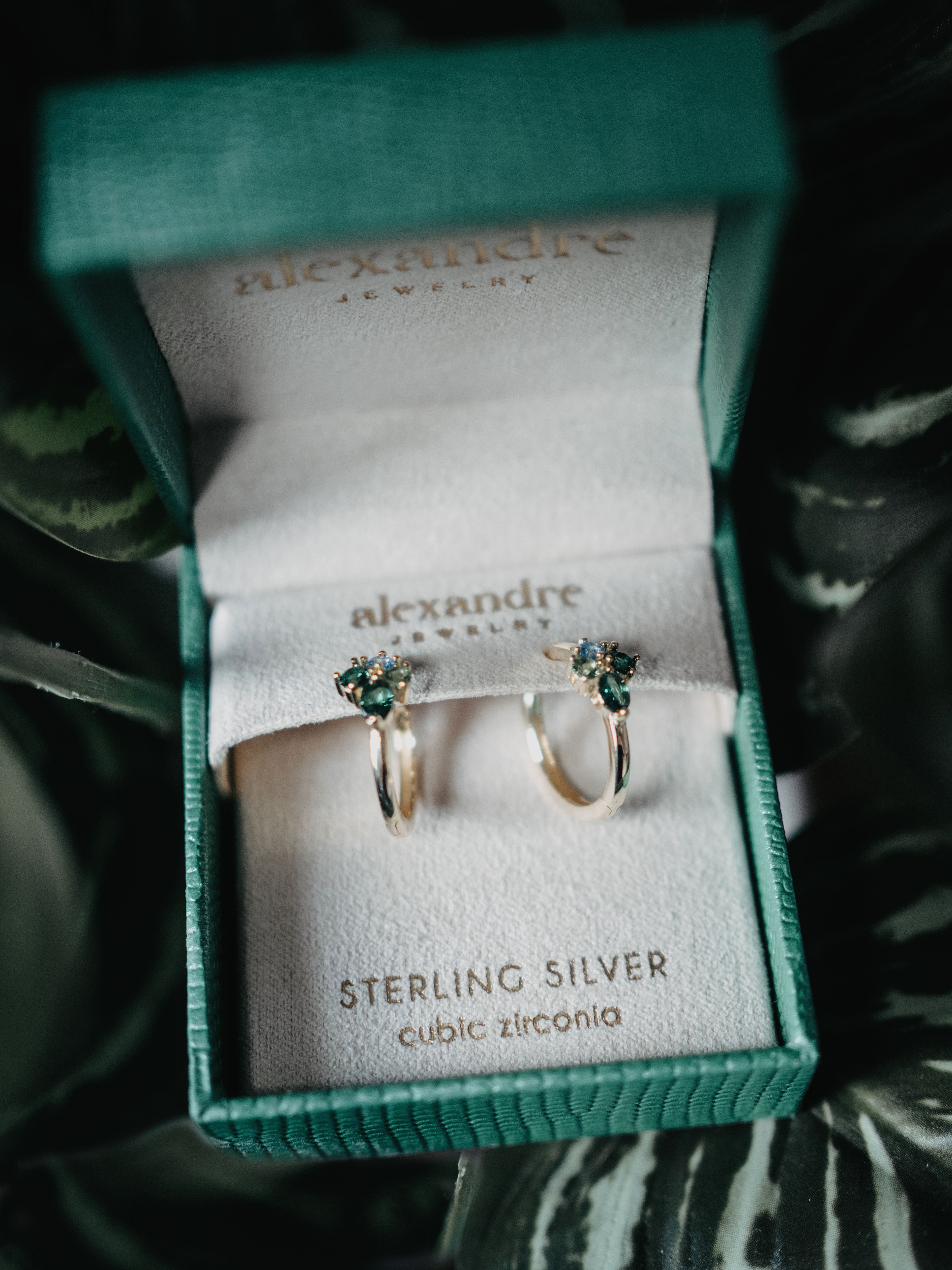
925 sterling silver contains 925 parts silver per 1,000 parts by weight: 92.5%. Other alloying metal or metals make up the remaining 7.5%. Product documents should identify the applicable standard.
“Sterling” refers to 925 fineness. The number does not mean 100% silver, so the material should not be described as pure silver. This sterling alloy combines a high silver proportion with an alloyed composition used for jewellery.
Purity is expressed in parts per thousand: 925 indicates 925 parts of silver, not a marketing score or model number.
925 Sterling Silver vs Pure Silver: What’s the Difference?
The phrase “pure silver” is commonly used for fine silver, typically described as 999 fineness or 99.9% silver. 925 sterling silver has a lower silver percentage because it is an alloy.
| Consideration | Sterling silver alloy | Fine or “pure” silver |
|---|---|---|
| Silver content | 92.5% silver | Typically 99.9% silver |
| Fineness notation | 925 | Commonly 999 |
| Composition | Silver plus other alloying metal(s) | Predominantly silver |
| Jewellery context | Widely used for rings, earrings, necklaces and other pieces | Used where its particular properties suit the object |
| Correct description | Sterling silver | Fine silver; “pure” should be used carefully |
A higher numerical fineness is not automatically better for every object. Suitability also depends on design, thickness, structure, finish and intended wear.
Why Does Silver Purity Matter in Jewellery?
Silver purity tells a customer how much silver is present in the alloy. It helps separate a precise material description from broad phrases such as “silver finish” or “silver colour,” which do not necessarily describe precious-metal content.
Purity clarifies what customers are paying for and how a product is represented. It also affects which fineness statement, test report or hallmark may apply. The Bureau of Indian Standards hallmarking FAQ lists 925 among the silver grades permitted under IS 2112:2014.
That does not mean every item marked “925” is automatically certified or hallmarked. Material disclosure, supporting documentation and the exact marks on the product remain separate checks.
Why 925 Sterling Silver Works Well for Modern Jewellery
Modern jewellery asks a material to support more than surface appearance. A design may depend on a clean outline, controlled thickness, defined detail, a particular finish or movement between connected elements.
This alloy gives designers an established standard around which decisions can be specified. It works across jewellery forms, but performance still depends on construction, dimensions, weight and care. The number alone cannot guarantee a finished design’s quality.
This distinction matters in contemporary silver jewelry. Material and design must work together. A visually strong form that is poorly proportioned may be uncomfortable, while a well-resolved piece considers silhouette, contact with the body and the way it moves during wear.
What Do “Certified” and “Hallmarked” Mean?
These terms are related to verification, but they are not interchangeable.
- Silver purity describes the proportion of silver in an alloy.
- Certification means a claim is supported by documentation or verification from a stated source. The document and issuing body should be identifiable.
- Hallmarking is an official marking process tied to an applicable standard and recognised system.
- A simple 925 stamp is a fineness indication; by itself, it should not be treated as proof of independent testing.
In India, BIS explains hallmarking as the accurate determination and official recording of precious-metal content. Its standards permit 925 as one of several silver grades. This article does not claim that Vylore products carry a BIS hallmark because the specific certification body and hallmark details have not been supplied.
Vylore has confirmed that its silver jewellery is certified 925 sterling silver, and that wording applies to the products covered by the relevant certificate, with documentation available for customer enquiries.
How Material Quality Influences Jewellery Design
Material quality does not replace design quality, but it gives design a defined base. A jewellery concept must still resolve proportion, surface finish, joins, edges, closures and wearability.
In silver jewelry design, even a small dimensional change can affect balance. A wider band may feel visually stronger but must still sit comfortably. A longer earring changes movement and weight distribution. A textured surface can alter how light reveals the form.
These are questions of design and jewelry craftsmanship, not purity alone. The 925 standard specifies alloy fineness; it does not certify that every detail is designed or finished well. Buyers should assess both material and object.
Why Vylore Chooses 925 Sterling Silver
Vylore’s design direction centres on thoughtful form, precision, contemporary expression, individuality and wearability. 925 sterling silver fits that direction because it provides a clearly defined silver standard for developing modern pieces. Read more about Vylore’s design story.
The material also supports transparent communication. Instead of using “silver” as a loose visual description, Vylore can state the fineness, provide the applicable certification information and specify relevant product details.
There is no single best material for every object. For Vylore, certified 925 sterling silver is the foundation for its current silver jewellery direction and personal, wearable designs.
What Should You Check Before Buying Silver Jewellery?
Use this practical checklist when assessing 925 sterling silver jewelry or comparing sellers:
- Material disclosure: Does the listing clearly say 925 silver or sterling silver?
- Purity evidence: What document, test or recognised hallmark supports the claim?
- Marking details: Is “925” a simple stamp or part of a recognised hallmark?
- Product specifications: Are size, dimensions, weight and finish stated?
- Images: Do photographs show closures, edges and scale clearly?
- Care instructions: Are realistic cleaning and storage steps provided?
- Seller transparency: Can the brand answer questions about material and certification?
- Returns and exchanges: Are the terms clear before purchase?
People searching for genuine silver jewelry or silver jewelry quality should not rely on one phrase or photograph. Evaluate the material description, supporting evidence and the actual product specifications together. Our guide on how to buy silver jewellery online goes further.
How to Care for 925 Sterling Silver Jewellery
Sterling silver can tarnish; it is not tarnish-proof. Environment, storage and contact with certain substances influence this surface reaction. Tarnish alone does not prove a piece is fake.
For routine care:
- Store pieces separately in a clean, dry place.
- Limit prolonged exposure to moisture, perfumes, cosmetics and household chemicals.
- Wipe jewellery gently after wear with an appropriate soft cloth.
- Follow product-specific instructions, especially when a piece includes plating, stones or mixed materials.
- Avoid aggressive dips or abrasive polishing unless the product guidance permits them.
The Canadian Conservation Institute’s silver-care guidance explains that careful handling and suitable storage can help reduce tarnish. For valuable, delicate or heavily tarnished jewellery, seek qualified advice rather than experimenting with harsh cleaning methods.
The Future of Quality-Focused Modern Jewellery
Customers increasingly expect material descriptions to be specific and easy to verify. Design still matters, but so do fineness, documentation, care information and honest product specifications.
For Vylore, 925 sterling silver connects these expectations with contemporary design and personal expression. The long-term opportunity is not to repeat “quality silver jewelry” as a slogan, but to show quality through precise information and consistent products.
A Clear Material Standard for Intentional Design
925 sterling silver means 92.5% silver in a defined alloy, not 100% pure silver. Understanding that distinction helps customers assess silver purity, certification claims, hallmarks and product descriptions more confidently.
For Vylore, the material is part of the design experience: it supports a clear standard around which contemporary form, finish, wearability and personal expression can be developed.
Good to know
Frequently asked questions
It means the alloy contains 925 parts silver per 1,000 parts by weight, equivalent to 92.5% silver.
Yes. It is a real silver alloy containing 92.5% silver and 7.5% other alloying metal or metals.
No. Sterling silver is an alloy. Fine silver is typically 999 fineness and contains a higher proportion of silver.
Not by itself. A stamp indicates claimed fineness; certification or hallmarking requires supporting verification under a stated system.
Yes, it can tarnish. Suitable handling, storage and cleaning can help manage it, but “tarnish-free” should not be promised without specific evidence.
Store it separately in a clean, dry environment and follow any product-specific instructions for plating, stones or mixed materials.