Craft & Design
Inside Vylore’s Signature Finish: Why Jewellery Craftsmanship Matters
Discover how finishing, surface details and thoughtful design influence the look and feel of silver jewellery.
You May Not Notice Every Detail. You Feel the Difference.
In this article
- What Does Jewellery Craftsmanship Actually Mean?
- Why Craftsmanship Matters as Much as Jewellery Design
- The Details That Define a Well-Finished Jewellery Piece
- From Jewellery Design to Finished Form
- Does Handmade Always Mean Better Jewellery?
- How Material Influences Craftsmanship and Finish
- Why Finishing Is More Than Making Jewellery Shine
- Craftsmanship in Contemporary and Designer Jewellery
- How Vylore Approaches Design and Finish
- How to Evaluate Jewellery Craftsmanship Before Buying
- Why Craftsmanship Matters in Jewellery You Wear Often
- Design Intention, Made Visible
Two jewellery pieces can look similar at first glance, yet one can feel noticeably more resolved.
This is where jewelry craftsmanship becomes visible. It is the bridge between a design idea and the finished object that can actually be worn. For Vylore, a contemporary sterling silver jewellery brand from India, the phrase “signature finish” is best understood editorially—not as a proprietary technique, but as a design-led commitment to intentional form, refinement, detail and individual expression.
What Does Jewellery Craftsmanship Actually Mean?
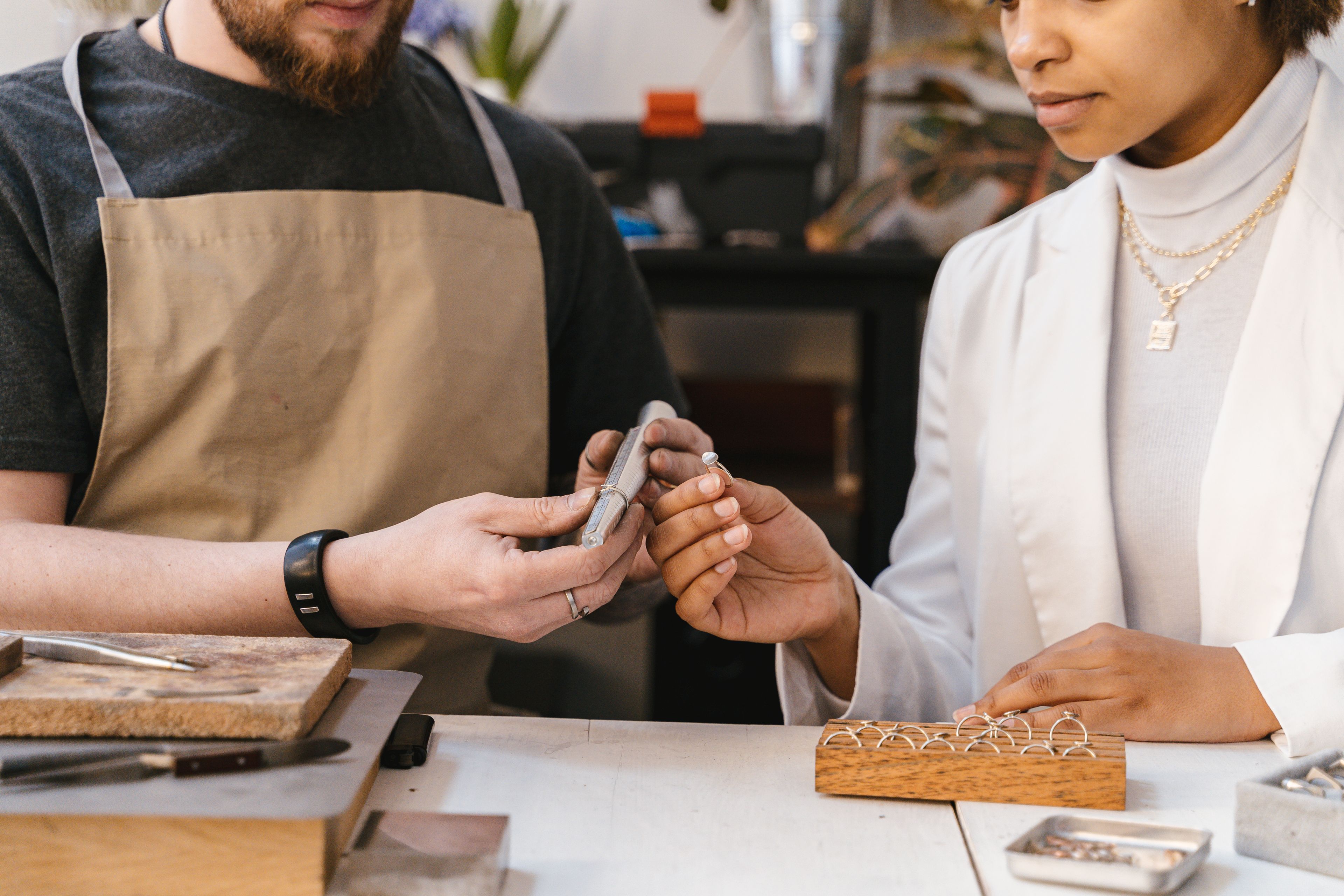
Jewellery craftsmanship is the skill, precision and attention involved in translating jewelry design into a finished piece.
Good jewelry craftsmanship does not simply make an item look expensive. It makes the design legible. The closer the finished object is to the designer’s intention—without losing comfort or function—the more convincing the result.
Why Craftsmanship Matters as Much as Jewellery Design
In jewelry craftsmanship, good design establishes the idea; jewelry craftsmanship gives that idea physical accuracy. A bold geometric jewelry design may depend on crisp transitions, while a softer sculptural form may need carefully controlled contours.
Design and making therefore cannot be judged as unrelated stages. The jewelry design process anticipates material, construction and wearability; execution reveals whether those decisions work together. Even art jewelry or unique design jewelry loses force when its connections, scale or finish contradict the original concept. Refinement depends on both clarity of thought and control in realisation.
The Details That Define a Well-Finished Jewellery Piece
- Proportion: Compare the size and visual weight of each part. A clasp, link or setting can feel disconnected if it is too heavy or too slight for the main form.
- Edges and surface: Edges influence how precise or soft a piece appears. Surfaces determine how light is reflected or diffused. A polished plane, controlled texture or matte area can change visual depth, so consistency matters more than maximum shine.
- Symmetry and connections: In a symmetrical design, unintended variation is easy to notice. Joins, links and clasps are not merely hidden engineering: their placement and scale affect the complete silhouette and are useful indicators when evaluating jewelry craftsmanship.
- Detail: Look where a curve ends, where one surface meets another and whether repeated elements maintain a common language.
The GIA Quality Assurance Benchmarks treat finishing, polishing, assembly and settings as distinct areas of workmanship, reinforcing that quality is evaluated through specific features rather than vague prestige language.
From Jewellery Design to Finished Form
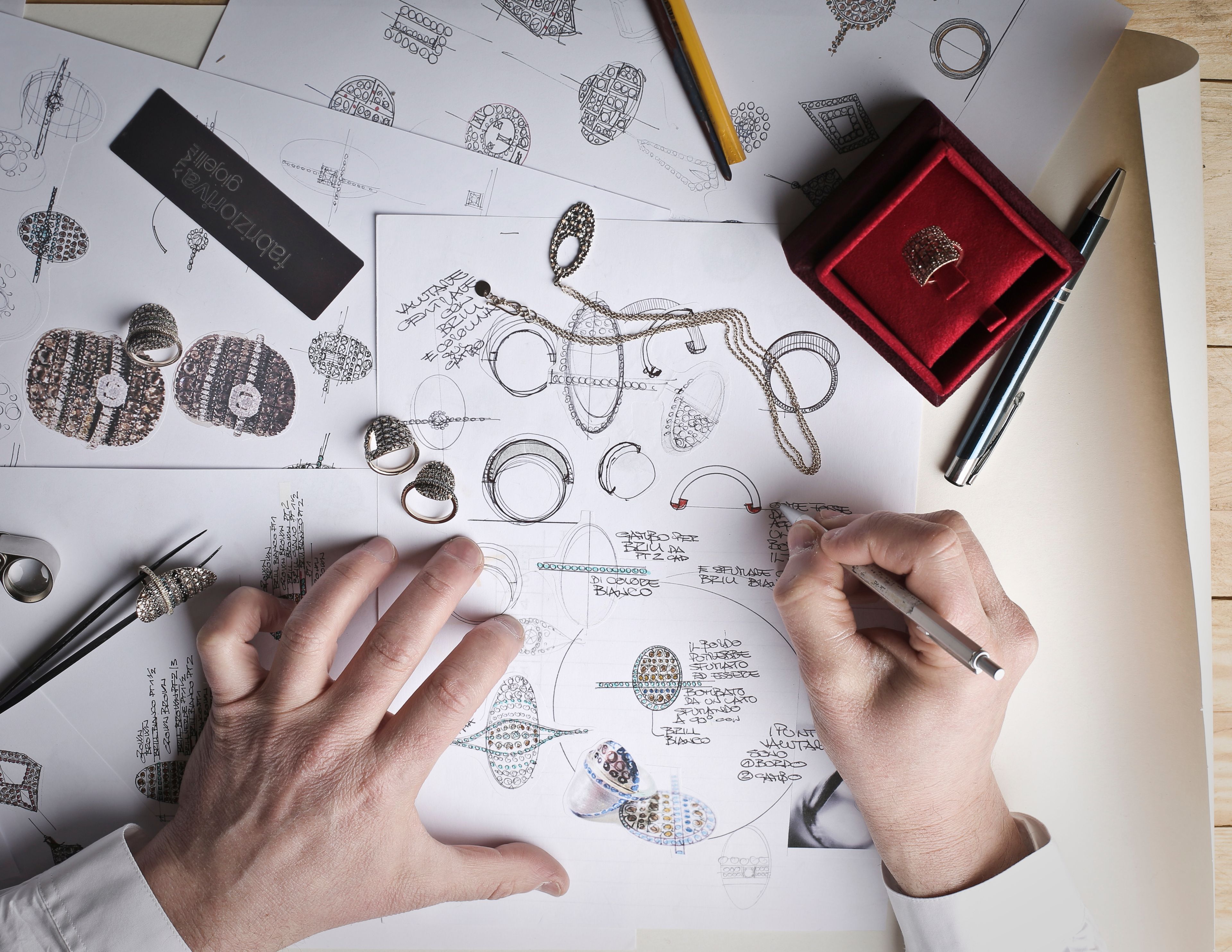
For jewelry craftsmanship, a general jewelry design process can be understood in eight stages:
- Concept
- Design development
- Material selection
- Form development
- Construction
- Finishing
- Inspection
- Final refinement
At each stage, earlier decisions create later consequences. Material can affect feasible forms; form influences construction; construction determines which surfaces and joins require attention; inspection may reveal where the object differs from the intended design. Strong jewelry craftsmanship is not a decorative step added at the end. It is the continuity of decisions from first idea to finished form.
Does Handmade Always Mean Better Jewellery?
No. In jewelry craftsmanship, handmade jewelry describes an aspect of how a piece is made; it does not, by itself, prove higher quality.
The reverse assumption is also weak: technology or repeatable production does not automatically remove creative value. Buyers should examine the finished result and the transparency of the product information instead of treating “handmade” as a substitute for evidence.
How Material Influences Craftsmanship and Finish
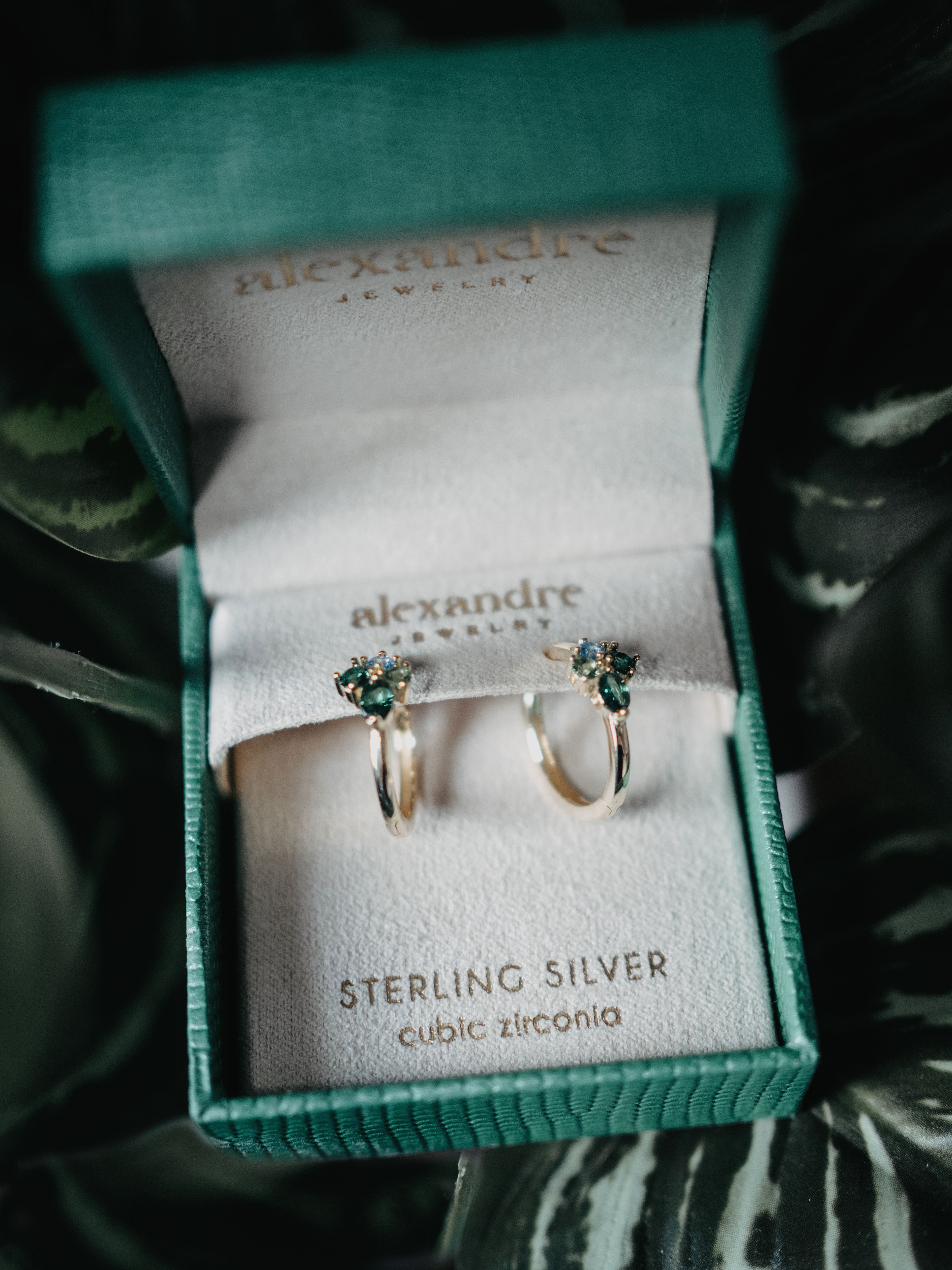
925 sterling silver is an alloy containing 92.5% silver, with the remaining percentage made up of other metals. The International Gem Society’s explanation of silver content provides useful background on silver fineness.
Material and design must be considered together. In sterling silver jewelry, the chosen form, surface and detail determine how the metal’s visual character is expressed. Vylore has confirmed that its jewellery is made in certified 925 sterling silver, with certification details stated on the relevant product information.
Material authenticity and jewelry craftsmanship answer different questions. Genuine silver jewelry can still vary widely in refinement, just as an accomplished form requires accurate material information to build trust.
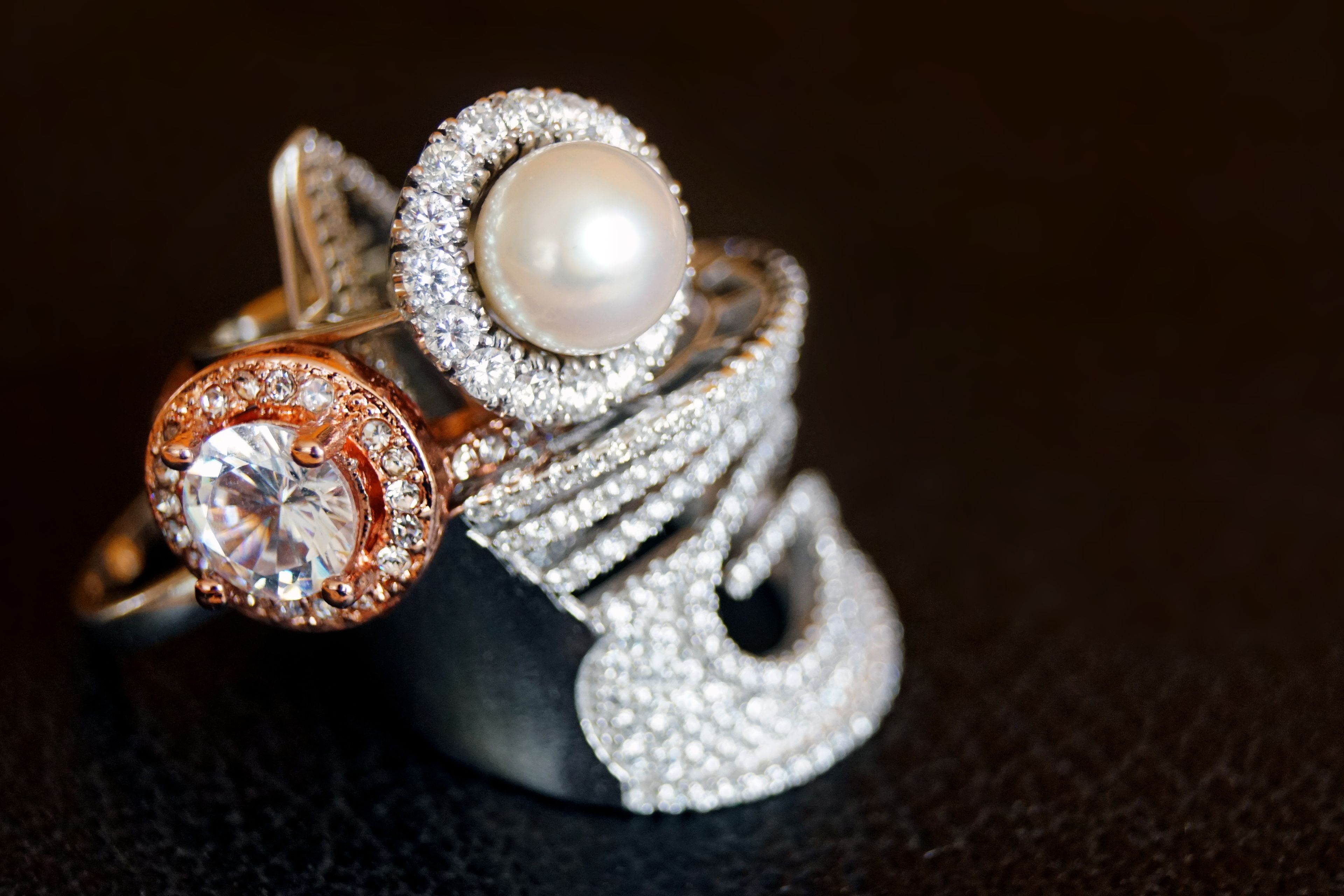
Why Finishing Is More Than Making Jewellery Shine
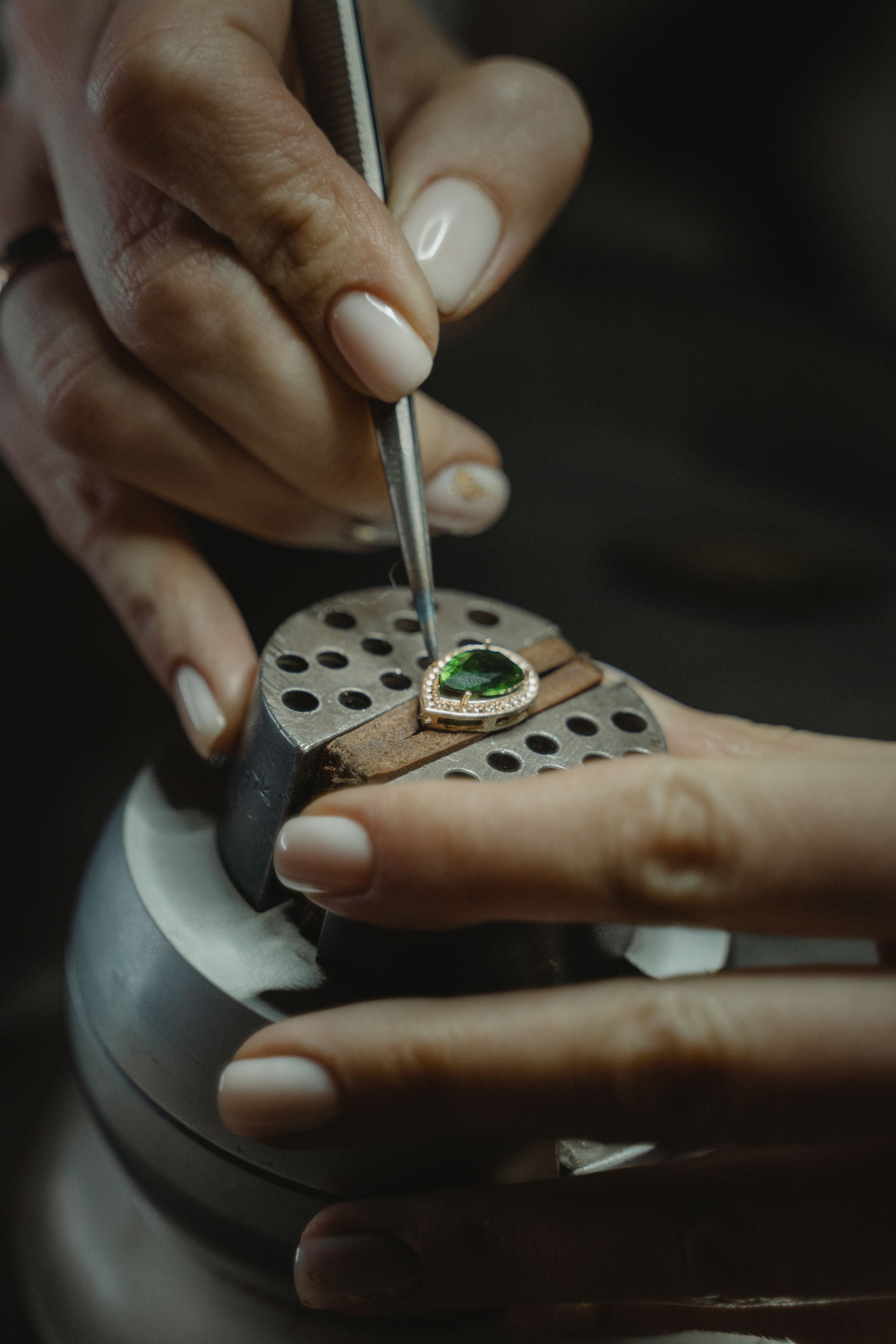
Within jewelry craftsmanship, finish is the final surface character of a piece, not simply its level of shine. Polished surfaces reflect light more directly; brushed or matte-looking surfaces diffuse it; texture creates rhythm, contrast and visual depth. The appropriate treatment depends on the design intention.
Finishing can also clarify hierarchy. A contrast between smooth and textured areas may separate two forms or direct attention to a detail. Consistent treatment can make minimalist jewelry design feel controlled, while irregular texture can be intentional when it follows a coherent pattern. In every case, jewelry craftsmanship is judged by whether the surface supports the form rather than masking it.
Craftsmanship in Contemporary and Designer Jewellery
Contemporary jewelry craftsmanship often removes familiar ornament or rearranges proportion, placing more pressure on construction and finish. In a minimal object, a misaligned edge has nowhere to hide. In sculptural or modern design jewelry, the way a curve changes direction can define the entire piece. Designer jewelry therefore depends on execution that preserves the intended silhouette.
Geometric forms need not be severe, and unusual proportions need not feel awkward. Precision gives experimental ideas authority. This is particularly important for jewelry design India, where contemporary work can move between global design language, local ways of dressing and varied expectations of ornament. Strong jewelry craftsmanship allows that complexity to feel considered rather than crowded.
How Vylore Approaches Design and Finish
Vylore’s perspective begins with intentional design, contemporary forms, refined proportion, wearability and individual expression. Within that philosophy, “signature finish” describes a visual standard: the finished object should communicate the clarity of its concept. It is not presented here as a named manufacturing process or proprietary polishing method.
A design-led brand must ask more than whether a concept looks compelling on paper. It must consider how scale relates to the body, how a surface changes the silhouette, whether details remain coherent and how the piece sits within a real jewellery wardrobe. Read more in Vylore’s design philosophy.
How to Evaluate Jewellery Craftsmanship Before Buying
Begin with design clarity: can you understand the main form, or do elements compete? Then assess proportion, visible edges, surface consistency, joins, links and the relationship between repeated details. Decide whether symmetry is expected or whether asymmetry is visibly intentional.
Online, use multiple high-resolution photographs and zoomed views, but recognise their limit. Images may reveal uneven alignment or unclear connections; they cannot reliably prove metal composition, comfort, internal construction or long-term performance. Read dimensions, weight where provided, closure information, material disclosures, care guidance and return terms. Browse the Vylore jewellery collection.
Finally, look for brand transparency. Quality silver jewelry should be described with accurate material and specification language. Ask what “premium,” “handcrafted” or “signature” specifically means when a brand uses those terms. Good jewelry craftsmanship is easier to trust when the evidence is concrete and the claims are narrow.
Why Craftsmanship Matters in Jewellery You Wear Often
Jewelry for everyday use is repeatedly seen beside different clothes, at different distances and in changing light. It also makes wearability part of the design question: the piece must make sense on the body, not only in a styled photograph.
Contemporary jewelry earns regular use when its form remains interesting and its details stay coherent across contexts. This is why jewelry craftsmanship matters to Vylore’s design-led position. The objective is not empty perfection or exaggerated luxury, but a finished piece in which material, form, detail and individual expression read as one idea.
Design Intention, Made Visible
The strongest jewellery does not ask buyers to accept “quality” as an empty promise. Its design can be read in the proportion, surface, connections and finish of the object itself.
Good to know
Frequently asked questions
It is the skill, precision and attention used to translate a jewellery design into a constructed, finished and wearable object.
Jewellery craftsmanship determines whether the intended proportion, form, surface, detail and function are accurately realised.
Its edges, surfaces, connections and repeated details should look coherent with the design. Maximum shine is not the test.
No. Handmade jewellery is a making description, while quality depends on design, material, construction, execution and finishing.
The design establishes the form and visual priorities; craftsmanship determines how successfully those ideas become physical.
Review close-up imagery, proportions, visible connections, material disclosures, dimensions, closure details, care guidance and brand transparency.
It combines 92.5% silver with other metals because pure silver is comparatively soft for general jewellery use.